


Summary
Digestion is a process. Depending on what you ate, it takes anywhere from thirty minutes to several hours for stomach acid to break your food down before passing it along to the next stage of digestion.
You already know that the food choices you make can affect how you feel after a meal, but did you know that the actual timing of your meals matters, too?
We’ve all heard this advice: Eat five to six smaller meals throughout the day. This means eating something about every two hours. This “grazing” philosophy has been shared throughout the wellness world for years, and today’s convenience lifestyle has made it incredibly easy. Food is available almost everywhere, around the clock. There are probably snacks in your pantry, piles of pastries waiting at your favorite coffee shop, and shelves full of sweets beside every checkout counter.
Having food at our fingertips 24/7 may be convenient, but constant eating isn’t the answer when you’re looking to support healthy digestion.  And if you suffer from acid reflux, when you eat may be just as important as what you eat.
Your digestive system is designed to break down and process food, but that doesn’t mean you need to continually feed it throughout the day. Ideally, stick to three meals a day with nothing in between, and eat dinner at least three hours before bedtime. Being intentional about your meal timing and giving your body time to process what you’ve eaten can support more comfortable digestion and fewer reflux symptoms.
How Meal Timing Can Affect Acid Reflux
Digestion is a process. Depending on what you ate, it takes anywhere from thirty minutes to several hours for stomach acid to break your food down before passing it along to the next stage of digestion. As soon as you begin chewing, your digestive system is actively working to break down your food to make its nutrients available to you. That’s why you should always thoroughly chew your food. Remember, digestion starts in the mouth!
You might have heard that too much stomach acid causes acid reflux, but reflux is often caused by too little stomach acid. The problem isn’t the stomach acid itself, but where it ends up. Acid reflux happens when stomach contents flow back into the esophagus. This can cause symptoms that may be familiar to you, like heartburn, regurgitation, or a bad taste in the mouth. The foods you eat, how much you eat, and certain underlying health conditions can all be reflux triggers, and what you do after you eat can play a role in reflux, too.
Why Eating Late at Night Triggers Reflux
Eating late at night can trigger acid reflux because your digestive system is working against gravity. After you swallow, your lower esophageal sphincter (LES) opens to allow food to pass from your esophagus into your stomach. Then it closes to keep stomach contents where they belong.
When you stay upright after eating, stomach contents naturally stay at the bottom of your stomach. But when you lie down, those contents can put more pressure on your LES. This pressure makes it much more likely for the LES to relax and for food and stomach acid to flow back into the esophagus, causing heartburn and other reflux symptoms.
How “Grazing” Can Affect Reflux

While you might have heard that small, frequent meals are better for people suffering from reflux, constantly eating little bits of food throughout the day can actually make your acid reflux worse. Your stomach ramps up acid production when you anticipate eating and even more so when the food enters your stomach. Eating all day means your stomach never gets a break from this constant state of increased acid production and digestion.
Frequently eating also keeps your stomach full, putting continuous pressure on your LES. And it quickly becomes a habit. When grazing, your body gets used to this way of eating. This reinforces cravings, and your body comes to expect food on a more frequent basis. You may notice this habit carrying over into the evening hours, meaning you’re more likely to go to bed with a full stomach and experience reflux.
Skipping Meals and Reflux
While intentionally planned intermittent fasting can be extremely beneficial, randomly skipping meals and following an unstructured eating schedule can take a toll on your digestion when this becomes habitual.
Skipping meals leads to much more intense hunger later in the day. If you skip lunch, you’re probably going to be ravenous by dinnertime. This makes it much more likely that you’ll overeat, putting pressure on your stomach that can worsen reflux.
Not to mention, skipping meals leads to erratic blood sugar drops, which can increase stress hormones in your body as it perceives the lack of nutrition as a threat to your body’s survival. Stress can have a major impact on digestion, because when cortisol and adrenaline production ramp up, your body redirects energy away from your digestive system to prioritize systems needed to immediately escape the “threat.”
Meal Timing Habits That Support Comfortable Digestion
1. Give yourself time to eat
During busy seasons of life, you may find yourself squeezing in meals wherever you can find time during the day. But when you rush through a meal, you’re more likely to eat quickly and overeat before your body has a chance to catch up and register how full you are.
Whenever you can, plan your meals for times when you can actually sit down and enjoy your food. This also gives you time to chew your food thoroughly, which is an important (and often overlooked) first step in the digestive process.
However, not every meal is going to be leisurely. Some days you might find yourself eating at your desk while answering emails right before a meeting. That’s okay, just look for opportunities to give yourself longer meal times whenever you can.
2. Avoid making dinner your biggest meal

Dinner has become the largest meal of the day for many people. With the daytime hours pulling you in a million different directions, dinner might be the first time you sit down for a substantial meal all day. And by the time you get there, you’re probably hungry enough to go back for seconds or thirds.
But when it comes to acid reflux, dinner should be the smallest meal of the day. That helps ensure you’re going to bed with an empty stomach rather than a meal still working its way through your digestive system.
If you’re finding yourself especially hungry at dinnertime, look at your meals earlier in the day. If you make breakfast and lunch your most substantial meals, full of healthy fats, greens, and moderate protein, you’re less likely to have that end-of-the-day hunger catch up with you.
3. Stay upright after eating
If you suffer from reflux, be mindful of what you do after you eat. Instead of going straight from the dinner table to the couch, try to stay upright for a while after eating. This could look like a gentle walk around the block, cleaning up the kitchen, stretching, deep breathing exercises, or even just standing around and chatting with your family.
Planning your meal times with this in mind can make a huge difference. Whenever possible, choose meal times that allow you to stay upright and move around afterwards, rather than sitting at a desk or sinking into the couch.
4. Create a cutoff before bedtime
One of the simplest meal-timing habits to work into your day is creating a buffer between dinner and bedtime. Always aim to finish your last meal at least three hours before you go to sleep, and avoid late-night snacking.
If you’re feeling hungry before bedtime, try drinking a glass of water with Acid-Kicking Minerals. Not only does the magnesium help reduce sugar cravings that often hit at night, but this blend of alkaline minerals supports calm, restorative sleep, and nervous system balance while also helping neutralize acid reflux.
5. Pay attention to your patterns
Use your own eating schedule as a way to learn more about your body. Try taking note of how you feel throughout the day. If you experience heartburn or uncomfortable digestive symptoms, look at what you ate, how much you ate, what time it was, and what you did afterward.
You might begin to notice patterns that can help you make mindful choices when it comes to meal timing to support comfortable digestion and reduce reflux symptoms.
What About Snacks Between Meals?
Most of the time, if you’re giving your body the fuel it needs by eating three meals a day loaded with healthy fats, greens, and moderate protein, you’ll likely be satiated enough to not feel an urge to snack between meals. But sometimes hunger strikes, and it’s important to listen to your body.
Before you reach for a snack, however, pause and ask yourself whether you’re truly hungry or wanting to eat out of habit or emotion. Try drinking a tall glass of room-temperature water first, or take a brisk walk. Exercise and movement in general will give you a mood boost and may quiet those cravings if you’re reaching for food because of stress or emotion.
If you still feel hungry after this, eat a small, healthy snack, preferably one with healthy fat in it. And if you find yourself constantly reaching for snacks and never really feeling full throughout the day, it’s worth looking at your eating patterns. Make sure your three daily meals are evenly spaced and loaded with healthy fats, fiber, greens, and protein, and you might be surprised at how quickly you can break the snacking habit.
A Simple Meal-Timing Guide for Better Digestion

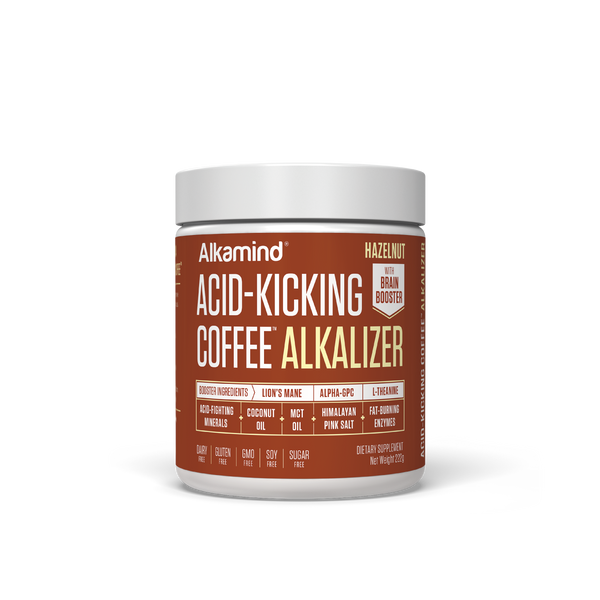
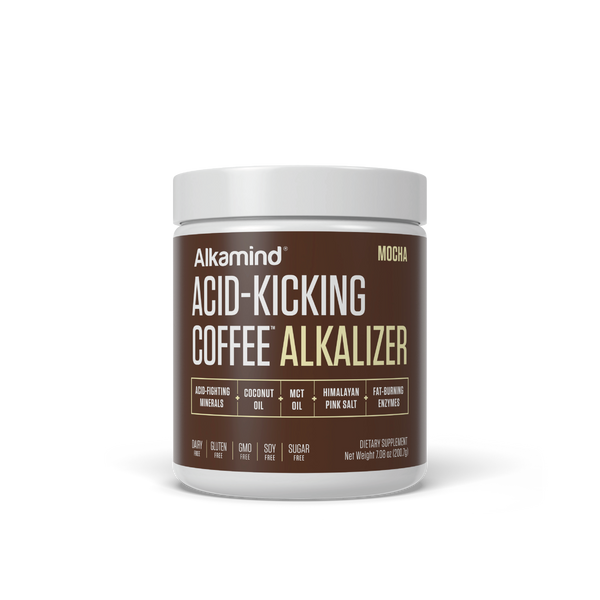
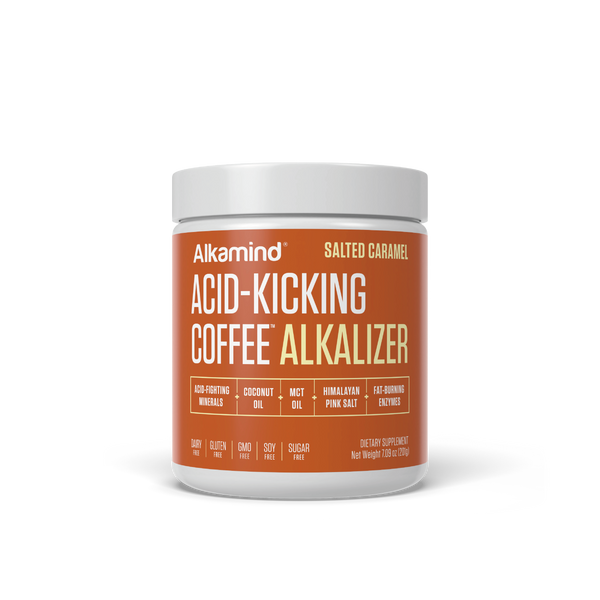
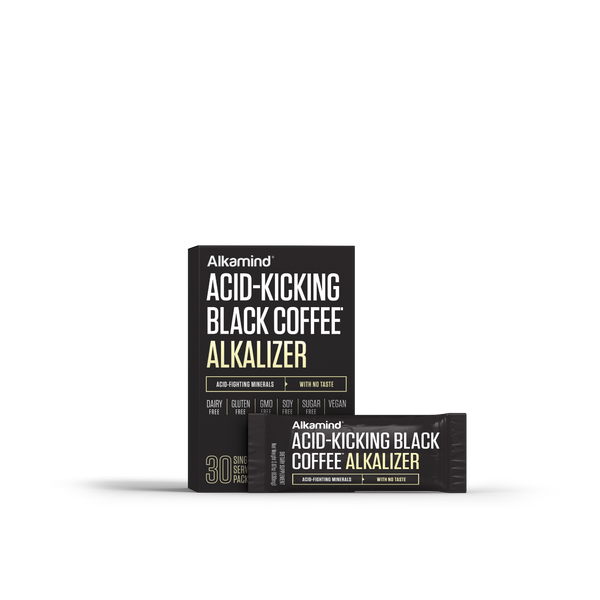
If you’re not sure where to start, keep it simple. In the morning, wake up with a nourishing breakfast like a Breakfast Buddha Bowl or some Gut-Friendly Breakfast Cookies. And if coffee is part of your morning routine, add a scoop of Acid-Kicking Coffee Alkalizer to neutralize the acid, support gut comfort, and reduce reflux.
Make time for a satisfying midday meal, even on busy days when you’re tempted to skip lunch altogether. Try bringing along one of these 15 Delicious Recipes to Pack for Lunch for a quick, easy, gut-friendly lunch that will keep you feeling full until dinner.
When it comes to dinner, pay attention to your hunger cues. Don’t wait until you’re absolutely starving before you sit down to eat, because then you’re more likely to eat quickly and potentially overeat, and make sure you plan dinner at least three hours before your bedtime. After dinner, try to stay upright while you digest your meal, and get some gentle movement whenever you can to aid digestion.
When You Eat Matters, Too
Your body is constantly giving you clues about what’s working and what’s not, especially when it comes to acid reflux. If you’re noticing reflux symptoms after eating late at night, binging after a skipped lunch, or after a day of constant munching, it’s worth taking a serious look at your meal timing.
Eating satisfying meals throughout the day, staying upright and moving after your meals, and allowing at least three hours between your last meal and bedtime are all great places to start when it comes to supporting comfortable digestion and reducing acid reflux.

Vanilla
Hazelnut
Mocha
Salted Caramel
Black
Vanilla
Hazelnut
Mocha
Salted Caramel
Black
Vanilla
Hazelnut
Mocha
Salted Caramel
Black
Vanilla
Hazelnut
Mocha
Salted Caramel
Black
Vanilla
Hazelnut
Mocha
Salted Caramel
Black


