Summary
Have you ever wondered whether you should juice or blend? The good news is, you don’t have to choose! Instead of asking which one is better, a more practical question is: “What does my body need today?”
Have you ever wondered whether you should juice or blend? The good news is, you don’t have to choose! Instead of asking which one is better, a more practical question is: “What does my body need today?”
Juicing and blending are two completely different ways to get more greens, vegetables, fruits, minerals, and plant nutrients into your day, and each offers benefits the other does not. Healthy eating is about adding more of what nourishes your body, not constantly restricting what you can eat. The goal is never deprivation, but instead giving your body more of the nutrients, minerals, greens, hydration, and real food it needs to thrive.
That is what makes juicing and blending so powerful. One gives you a concentrated way to consume a generous amount of vegetables and greens without putting too much pressure on your digestive system, while the other gives you the whole food, including its beneficial fiber, to stay fuller longer. Different methods, different benefits, and together they can become two of the easiest ways to upgrade your daily nutrition.
Juicing: Concentrated Nutrition in Every Sip

One of the biggest advantages of juicing is concentration. It’s a simple way to drastically increase your vegetable intake without having to eat a huge plate of greens. When you juice, the liquid is separated from much of the pulp and fiber, leaving you with a concentrated drink containing water, vitamins, minerals, and beneficial plant compounds from the vegetables. That means one single glass of fresh vegetable juice can contain the liquid nutrition from an entire day’s servings of vegetables.
Juicing gives you a powerful dose of greens and vegetables that feels light, fresh, and easy to drink. For anyone who struggles to get enough greens into their day, juicing can be an incredibly convenient way to make those nutrient-rich foods a regular part of life. And with combinations like our favorite Green Zinger Detox Juice or Sweet Green Alkaline Juice, getting the greens you need can be a treat, not a chore!
Less Digestive Work
Juicing gives your digestive tract a little break while still allowing you to flood your day with more vegetables and greens. Because much of the fiber has been removed, juice is a very different digestive experience from eating whole produce. Your digestive system does not have to process the same amount of plant fiber, so fresh juice feels lighter and requires less digestive effort.
This can make juice particularly appealing when you want nutrition without a lot of volume or fullness. Maybe you have already eaten a substantial meal, maybe you’re easing into your morning, or maybe you simply want something refreshing instead of heavy.
Powerful Hydration
Fruits and vegetables naturally contain a significant amount of water, so fresh juice provides hydration along with the nutrients found in the produce. It’s a much more nourishing option than reaching for another sweetened beverage when you’re thirsty for something other than water.
After all, hydration is about more than simply drinking enough water. Your cells depend on the right balance of fluids and electrolytes to support countless processes throughout the body. A fresh green juice can be a beautiful way to support hydration at the cellular level while increasing your intake of nutrient rich plants.
Blending: Whole Food Nourishment

If juicing is about concentration, blending is about keeping the whole food together. When you make a smoothie, the blender breaks the ingredients down mechanically, but most of the food remains in your glass, including its fiber. You are getting the water, vitamins, minerals, antioxidants, plant compounds, healthy fats, protein, and fiber that were present in the original ingredients.
That makes a smoothie much more substantial than juice. You can combine greens, berries, a small amount of fruit, chia seeds, avocado, coconut, nut or seed butter, and plant-based protein to create something that can genuinely function as breakfast or a meal. And if you’re new to blending or looking for some new recipes, check out these Smoothies I Make On Repeat for Energy, Skin, and Fewer Cravings.
Keep All the Beneficial Fiber
Fiber is one of the biggest nutritional differences between juicing and blending. When you blend whole fruits and vegetables, that fiber remains in the smoothie, where it can support healthy digestion, regularity, and fullness. Instead of separating the plant into liquid and pulp, you are consuming much more of the original food.
Fiber also slows digestion and helps slow the release of naturally occurring sugars, which can contribute to steadier energy compared to consuming a similar amount of produce without its fiber. If you want your drink to have staying power, keep the fiber!
Feel Full and Satisfied Longer

A well-constructed smoothie can be much more satisfying than juice when it contains all the parts of a complete meal. Fiber provides bulk, while protein and healthy fats can help make your smoothie more filling and satisfying. That combination can make it easier to go from breakfast to lunch without constantly thinking about your next snack. This is important because meal timing impacts digestion more than you might think.
Think of a smoothie as food rather than a drink. Instead of throwing a few pieces of fruit into a blender and calling it breakfast, build it around greens, protein, healthy fats, and a reasonable amount of fruit. The goal is to create something that nourishes and actually satisfies you.
Support Steadier Blood Sugar and Lasting Energy
Keeping the fiber in your smoothie can also help slow the digestion of carbohydrates. Adding protein and healthy fats gives your smoothie even more staying power and supports steadier energy rather than the cycle of a quick boost followed by another crash and craving.
This is one reason berries, greens, chia, avocado, coconut, and plant-based protein are such useful smoothie ingredients. They bring more than flavor to the glass and turn a simple blended drink into a balanced source of nourishment. When you build your smoothie strategically, it can work for you for hours.
And Yes, You Should Slow Down and Chew Your Smoothie!
Here is a surprisingly simple digestion tip: do not gulp your smoothie. Digestion begins in your mouth, where chewing, saliva, taste, and other sensory signals help prepare your digestive system for food. Even though your blender has already done most of the mechanical breakdown, your mouth still plays an important role in the digestive process through the release of digestive enzymes.
We don’t mean you literally need to chew every spoonful of your smoothie. Instead, take a sip, let it sit in your mouth briefly, taste it, allow yourself to salivate, and then swallow slowly. Your blender may have done the chewing, but your mouth still has a job to do.
This small habit can also change how you experience your smoothie. When you stop drinking it like a beverage you need to finish as quickly as possible, you become more aware of the flavors, textures, and nourishment you are giving yourself. Plus, your body has a chance to recognize that food is coming and begin preparing for digestion.
Juice or Smoothie? Here’s the Real Answer
Think of juicing as your concentrated nutrition strategy, perfect for when you want more greens and vegetables in a refreshing form and less digestive work. Fresh vegetable juice makes getting a serious amount of plant nutrition into your day incredibly easy.
Think of blending as your whole food nourishment strategy. It’s ideal when you want fiber, fullness, digestive support, and a smoothie substantial enough to serve as a meal. It keeps the whole food intact, giving you the staying power that juice doesn’t provide.
And this is why I do not believe you need to “pick a side.” Juice when you want concentrated greens, vegetables, hydration, and a lighter experience. Blend when you want fiber, fullness, balanced nourishment, and lasting energy. The smartest approach may be to use both depending on what your body needs.
Make Greens the Star

Whether you are juicing or blending, put greens at the center of the recipe. But you don’t have to choose between something that is incredibly good for you and something you actually want to drink. The goal is to create drinks that taste delicious while still allowing greens to do the heavy lifting. Try combining leafy greens with ingredients such as cucumber, ginger, berries, chia, avocado, coconut, and small amounts of fruit to create drinks that are both nutrient-dense and enjoyable.
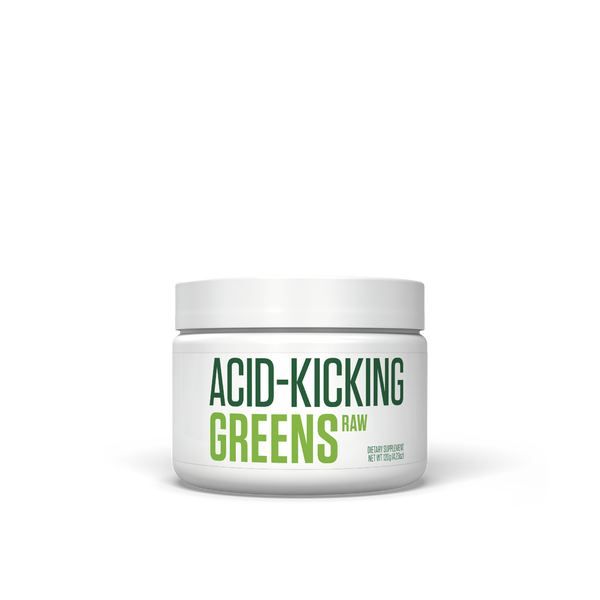
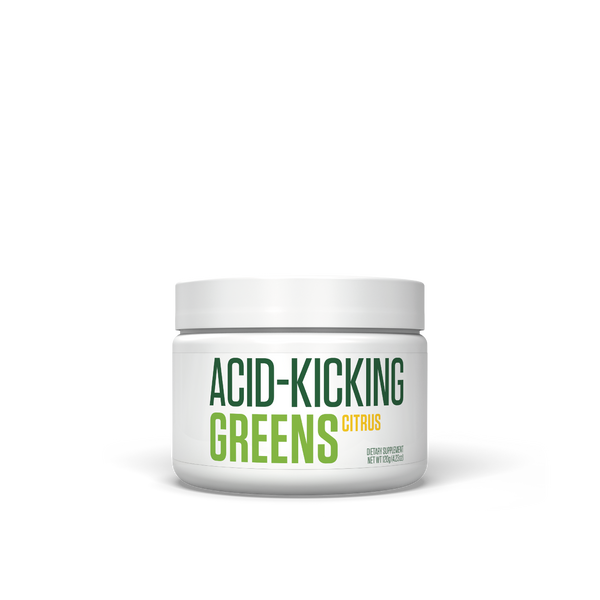
And if getting enough greens into your day feels like a chore, there is an easy shortcut. Acid Kicking Greens provides the equivalent of five servings of raw organic greens in every scoop, making it simple to add more greens to a smoothie without buying, washing, chopping, and blending an entire refrigerator full of produce. Add a scoop to your morning smoothie and you have an effortless way to make your daily green habit even more powerful.
Don’t Turn Your Healthy Drink Into Liquid Dessert
An easy mistake that can happen with both juicing and blending is letting fruit take over. Fruit absolutely has a place in a healthy diet, but adding several servings of sweet fruit to one drink can quickly change the nutritional balance. Use fruit to add flavor and natural sweetness, but allow greens and vegetables to be the foundation.
This is particularly important with juice because much of the fiber has been removed. A juice made primarily from leafy greens and vegetables is very different from one made mostly from apples, oranges, pineapple, and other sweet fruits. Think green first, fruit second.
The same principle applies to smoothies. Berries, a small amount of banana, pear, or a little pineapple can create beautiful flavor without making the smoothie overly sweet, especially when balanced with greens, protein, healthy fats, and seeds. Ginger, cinnamon, mint, cucumber, lemon, and fresh herbs can also add incredible flavor without adding more sugar.
The Best Part? You Can Have Both
 Imagine starting your day with a fresh green juice when you want something light and refreshing. Or, on a different morning, you make a smoothie packed with greens, protein, healthy fats, berries, and chia that keeps you satisfied until lunch. You’re not following a rigid plan, and every day doesn’t have to look exactly the same.
You’re simply giving your body different forms of nourishment depending on what you need. Juicing gives you concentrated greens, vegetables, nutrients, and hydration with minimal effort on your digestive system. Blending gives you whole food fiber, digestive support, and staying power. Together, they give you more ways to get the good stuff in.
Your New Daily Ritual
You don’t have to rethink your entire routine to enjoy all the benefits that juicing and blending offer. Start by making one green juice or smoothie a few times a week, then notice how you feel and what your body seems to enjoy. Then, try adding a new combination the next week. Once you discover recipes you genuinely love, getting more greens into your life starts feeling like something you actually look forward to.
And remember, your blender and juicer are not competing appliances. They are two different tools for giving your body more of what it needs. The best routine is the one you actually enjoy enough to keep doing. So juice it, blend it, add more greens, and get off your acid!