


If you suffer from acid reflux, you might know the following experience all too well. You reach the end of a long day, eat your dinner, spend some time winding down, and finally settle into bed. But as soon as your head hits the pillow, that familiar burning sensation starts.
Reflux at night is more than an uncomfortable inconvenience when it interrupts your rest. When you sleep, your body takes the time and energy to rest, repair, and perform necessary maintenance to keep you functioning at your best. If reflux symptoms are interfering with your sleep, you may wake up feeling groggy and irritable. And over time, disrupted sleep can lead to more serious health complications.
But if you suffer from acid reflux, that doesn’t mean quality sleep is out of reach. There are a few simple changes you can make to help alleviate nighttime reflux symptoms. One of the easiest places to start? Your sleeping position.
Let’s take a closer look at why acid reflux can feel worse at night and how your sleeping position plays a role.
What Causes Acid Reflux?
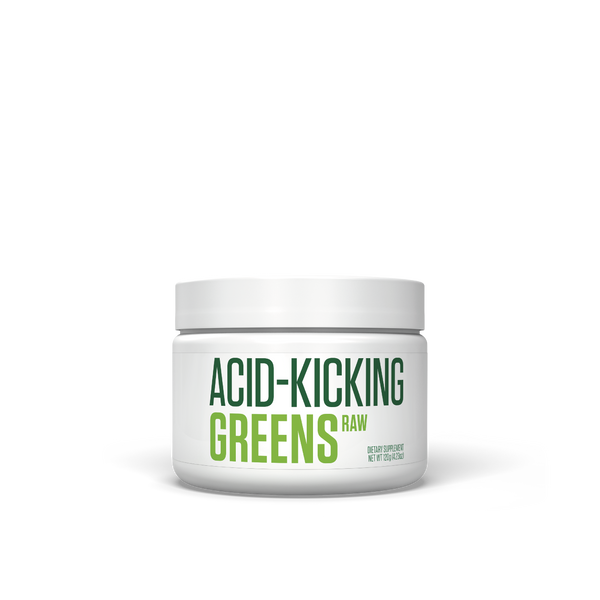
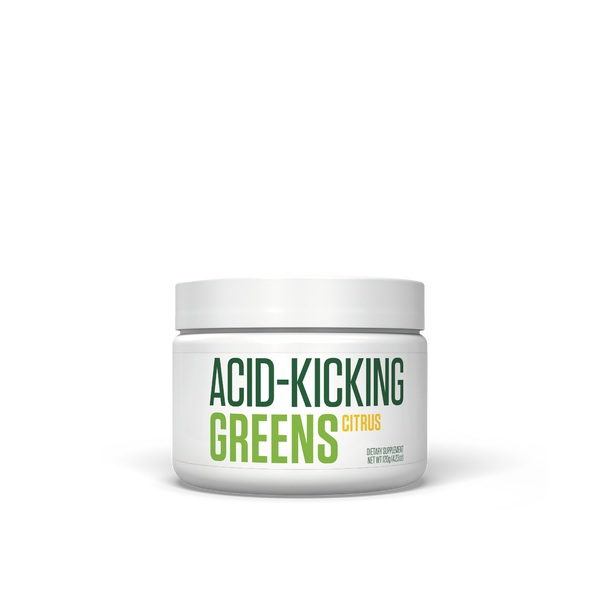
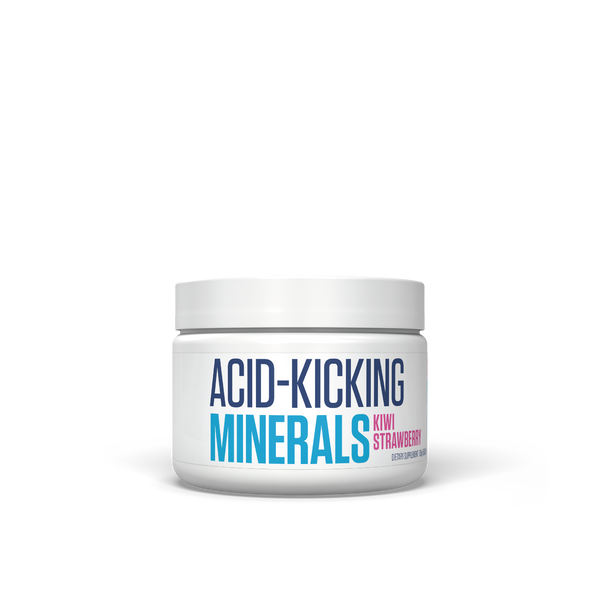
A common misconception about acid reflux is that it’s caused by too much stomach acid. In reality, the problem isn’t the stomach acid itself, but where the stomach contents are going. Stomach acid is necessary for digestion. Instead of assuming stomach acid itself is the problem, the goal is to support healthy digestion through eating nutrient-dense food and giving your body enough gut-loving minerals. One easy way to do this is by adding a scoop of Acid-Kicking Minerals or Acid-Kicking Greens to your water or juice.

So how do stomach contents end up in the wrong place? When you eat, your food passes through your lower esophageal sphincter (LES) into your stomach. The LES is designed to close back up, keeping stomach contents where they belong. In some cases, the LES relaxes when it’s not supposed to, and stomach acid travels back up into the esophagus, causing heartburn. There are physical conditions that can cause this, such as pregnancy, obesity, or a hiatal hernia, but lifestyle factors can also trigger acid reflux.
Large meals, eating certain foods, eating too close to bedtime, and overstressing are a few of the habits that can worsen acid reflux. But did you know that something as simple as your actual sleeping position could also be playing a role in your reflux symptoms?
Why Does Lying Down Make Acid Reflux Worse?
Sometimes it may feel like gravity is working against us. But when it comes to digestion, gravity helps keep everything moving in the right direction.

When you’re sitting upright, standing, or moving around throughout the day, stomach contents naturally stay down. But when you lie down, you lose that gravitational assistance and it’s much easier for stomach contents to move back into the esophagus, especially if you’ve recently eaten. That’s why it’s important to wait at least 3 hours after a meal before you lie down. Eating late at night makes this difficult, so I encourage you to make dinner your smallest meal of the day, eat early enough to give yourself that three-hour window before bedtime, and try to avoid late-night snacking.
If you notice yourself craving a snack before bed, try sipping on a glass of water with a scoop of flavored Acid-Kicking Minerals. It will give you a magnesium boost to promote restful sleep and help keep the late-night sweet tooth at bay.
The Best Sleeping Position for Acid Reflux: Your Left Side
Sleeping on your left side is generally the best position to try first if you experience nighttime acid reflux. This has to do with anatomy itself. Your stomach sits mostly on the left side of your upper abdomen, so lying on your left side keeps the LES above the level of your stomach contents. Gravity also plays a role here, helping keep stomach contents inside the lower curve of your stomach.
How to Sleep Comfortably on Your Left Side
If you’re naturally a back or stomach sleeper, or if you tend to roll to the right side, there are a few ways to adjust your body to make sleeping on your left side more comfortable until it becomes natural to you:
- Place a body pillow behind you to keep you from rolling onto your back.
- Keep a pillow between your knees to support hip and spine placement.
- Stretch out and avoid curling up so tight that you compress your abdomen.
- If you share a bed and find you’re more comfortable facing away from or toward your partner, try swapping sides to accommodate left-side sleeping.
Other Sleeping Positions That May Help With Acid Reflux
If an injury, ache, or other condition makes it hard for you to sleep on your left side, there are alternatives that can also help alleviate reflux symptoms. Our bodies are all different, and what works for some may not be comfortable for others. If left-side sleeping isn’t working for you right now, try sleeping on your back or your right side with your upper body elevated.

Lying flat on your right side or on your back can cause reflux symptoms at night, but elevating your upper body using pillows, a wedge, or an adjustable bed can help aid digestion. The goal is a gentle incline, not a sharp angle, so play around with your setup until you find the position that is most comfortable for you.
More Helpful Nighttime Habits
Wellness is built through small, consistent habits. The right sleep position helps, but there are many more ways to prepare your body for restful, reflux-free sleep before your head ever hits the pillow. Here are some ideas to add to your nighttime routine, especially if you suffer from acid reflux.
Give Your Body Time to Digest Before Bed
Wait 3 hours after dinner before going to bed, and try not to immediately curl up on the couch right after a big meal. Help keep everything moving through gentle movement, like a walk around the block, light stretching, or sitting upright while doing some deep breathing exercises.
Pay Attention to Your Personal Triggers
Certain foods typically worsen acid reflux, but some foods might trigger your acid reflux more than others. Try keeping a food journal to track what you eat and make note of how you feel afterwards. Then you’ll know which foods to avoid, especially before bedtime.
Create a Calming Evening Routine
Give your mind and body a chance to wind down before going to bed through gentle movement, low-stimulation hobbies, deep breathing, or meditation. A detox bath can also work wonders for your nervous system at the end of the day, promoting muscle relaxation and restful sleep.
Take a Magnesium Supplement
Magnesium calms your nervous system, regulates sleep hormones, and relaxes your muscles. While we get some magnesium from our diet, it’s typically not enough. Acid-Kicking Magnesium supplements are a highly absorbable, triple-magnesium formula that support digestion, sleep, and a calm nervous system.
FAQ: Acid Reflux and Sleeping Positions
What is the best sleeping position for acid reflux?
Sleeping on the left side is the best position to try first if you experience acid reflux. If that is not an option for you, elevating your upper body while on your back or your right side may also help.
Why is it better to sleep on your left side vs your right side for acid reflux?
Left-side sleeping places your stomach below your esophagus, reducing pressure on the LES. When you sleep on your right side, your stomach is above your esophagus, and stomach contents can push against the LES while you sleep.
Does sleeping in an elevated position help with acid reflux?
Yes, elevating your upper body can help reduce reflux symptoms at night.
How long should I wait after eating before going to bed?
Wait three hours after your evening meal before lying down.
Can sleeping on your stomach make acid reflux worse?
Yes, stomach sleeping can increase pressure on your abdomen and potentially worsen reflux.
Why does my acid reflux get worse at night?
When you’re lying down, gravity is no longer helping keep your stomach contents down, and going to bed too soon after eating can make it easier for stomach acid to move back into your esophagus.
Find Your Position, Sleep Your Best
Whether or not you’re getting enough sleep affects nearly every system in your body. Sleep is maintenance time, allowing your body to repair and recover. So if acid reflux is interfering with your sleep, it’s time to confront the problem head-on to make sure you’re getting the rest you need.
 Remember, it doesn’t just start at bedtime. The way you eat and care for your body throughout the day will impact how you feel at night. Pay attention to your body’s signals, make choices that support your health, and create a nighttime routine that supports deep, restorative sleep.
So if nighttime reflux has been keeping you awake, look beyond the symptoms, think about your everyday habits that may be influencing how you feel, and start with one simple change. Try sleeping on your left side, give yourself time between dinner and bedtime, and pay attention to your own personal triggers.
Small steps taken consistently add up over time, and you might be surprised how much better you feel after just one night of reflux-free sleep!



Lemon
Kiwi Strawberry
Blood Orange


