


Summary
Your stomach acid isn’t the enemy. It’s doing important work for you, so help support it with one healthy habit at a time.
When it comes to reflux, it’s time to rethink the role of stomach acid.
If you suffer from acid reflux, you’ve probably heard someone tell you that you’re producing too much stomach acid and that’s what’s causing your symptoms. After all, one of the most common misconceptions surrounding acid reflux symptoms is that your stomach acid is to blame. Many people assume less stomach acid means less heartburn.
But that’s not the case. The problem isn’t your stomach acid; it’s your stomach contents going where they don’t belong. And understanding this may change the way you think about acid reflux. Let’s talk about what stomach acid actually does and why it’s so important for healthy digestion.
What Does Stomach Acid Do?
Stomach acid often gets a bad rap when people talk about acid reflux and heartburn, but this judgement is misplaced. Your stomach acid does several important jobs that keep your digestive system working properly, like breaking down food, helping your body absorb nutrients, and keeping you safe from harmful pathogens.
Breaks Down Protein
Proteins can be harder to digest than simple carbohydrates or fats because they are large, more complex, and held together by tight peptide bonds. In order to break down the protein in your food to make it accessible for your body to actually use, stomach acid activates a digestive enzyme called pepsin. Then, it unfolds and changes the shape of the protein structure, which allows pepsin to access and break down proteins.
Supports Nutrient Absorption

Chewing alone doesn’t break down food into small enough parts for your body to access the nutrients from it. Stomach acid supports this process by chemically breaking down food so the small intestine can absorb key nutrients, such as vitamin B12, iron, and calcium. While most nutrient absorption happens in the small intestine, it can’t happen efficiently without stomach acid laying the groundwork.
Defends Against Pathogens
The highly acidic environment in your stomach creates a barrier against harmful bacteria, viruses, and microorganisms that can enter your body through food and drink. With its high acidity, the stomach creates an environment that is harsh enough to kill most harmful microorganisms within 15 minutes!
Stomach acid plays an extremely important role in our bodies, so it’s not something we should be trying to neutralize or get rid of. When it comes to acid reflux, the focus should be on why stomach contents are coming back up in the first place.
How Low Stomach Acid Can Affect Digestion
As we age, our bodies typically produce less stomach acid instead of more, which is why it’s so important to support digestion in ways we can control, such as by eating nourishing food, managing stress, and keeping our bodies moving. Leading an acid-forming lifestyle loaded with processed foods and excess sugar can cause stomach cells to produce less gastrin, the hormone responsible for stimulating stomach acid production.
This sets off a chain reaction throughout the digestive system. If food isn’t broken down enough in the stomach, it doesn’t properly break down in the small intestine, either. And since this is where most of the nutrient absorption takes place, that could result in vitamin and mineral deficiencies.
Low stomach acid can also increase the risk of infections. As a primary chemical defense for the digestive tract, the stomach can’t effectively kill incoming pathogens if acid levels are too low. This allows harmful microorganisms to survive and move into the gastrointestinal tract, where they can multiply and potentially spread.
What Causes Acid Reflux?

Acid reflux is not a sign that your body is producing too much stomach acid. After all, your stomach is designed to produce and handle acid. Your esophagus? Not so much. So when stomach contents are pushed or flow backward into the esophagus, you start to feel noticeable reflux symptoms, such as heartburn.
That backflow often happens because of an issue with the lower esophageal sphincter (LES), the ring of muscle at the bottom of your esophagus that relaxes to allow food to pass through after you swallow. Generally, it closes back up to help keep stomach contents where they belong. If the LES relaxes when it’s not supposed to or doesn’t provide a strong enough barrier, reflux occurs.
A number of different factors can contribute to this, ranging from lifestyle to medications to physical causes, including hiatal hernias, pregnancy, and obesity. Certain habits also contribute to reflux, such as:
- Eating an acid-forming diet
- Overeating
- Eating too quickly without chewing thoroughly
- Eating late at night
- Staying in stress mode
Don’t Treat Stomach Acid Like the Enemy
With acid reflux affecting so many Americans, the standard treatment is a type of drug called a proton pump inhibitor (PPI). The problem with “treating” stomach acid with these medications is that they can actually make the underlying problem worse.
These drugs only treat the symptoms while altering the stomach’s acidic environment. PPIs block the enzyme that produces hydrochloric acid, cutting it by about 90% to 95%. This temporarily relieves acid reflux symptoms, but suppressing stomach acid production can ultimately be detrimental to your digestive health. Using PPIs for an extended period of time and living with low stomach acid can lead to nutritional deficiencies, such as low magnesium, calcium, and vitamin B12, and it can leave you more susceptible to infections.
That’s why the solution should be finding out what is causing your reflux, not just masking symptoms. Is it a physical condition that needs to be addressed? Is it a lifestyle habit you can change, or a dietary trigger you can avoid? If you have symptoms of reflux, it’s your body’s way of telling you that there’s a problem. Listen to your body and look beyond the symptoms to find the root cause.
That being said, if you are taking PPIs for your GERD or acid reflux under a doctor’s supervision, don’t stop taking them or change any medication without first consulting your doctor.
Don’t Mask the Symptoms; Address the Root Cause
Stomach acid isn’t inherently harmful, and not every digestive complaint has the same underlying cause. So instead of assuming that all heartburn is caused by excess stomach acid, look at the bigger picture of your overall digestive health and habits. Reflux triggers vary, so take notice of what affects you personally. Here are a few places to start.
Notice Your Food Triggers

Not everyone responds to foods the same way, but if you think your diet might be causing your reflux symptoms, start by looking at the 10 Worst Foods for Acid Reflux and remove these from your diet. Keep track of what you eat and when symptoms occur. You might notice that specific foods only affect you in large portions or at certain times of the day.
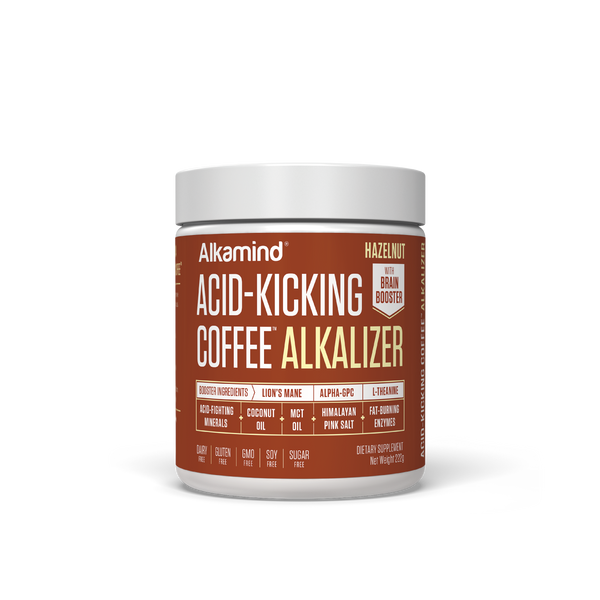
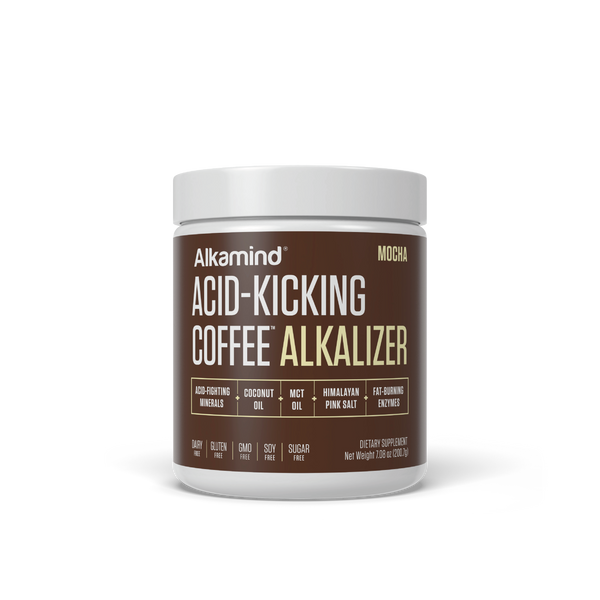
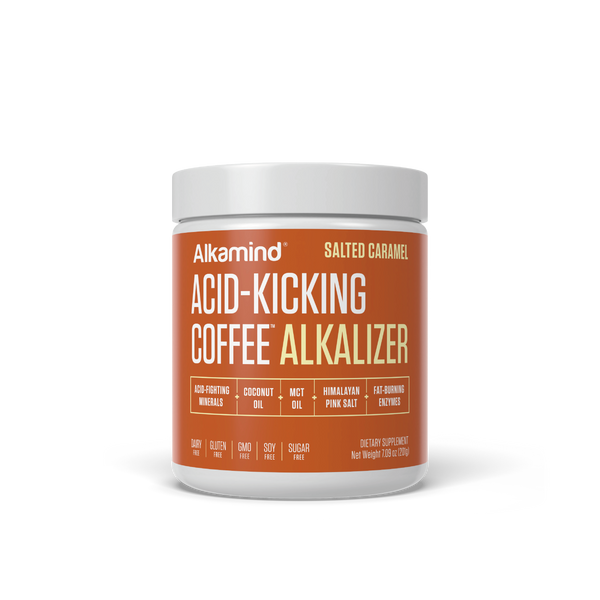
For example, if coffee has always been a regular part of your wake-up routine but it’s giving you trouble now, try drinking it after breakfast instead, or cut back on the amount you drink. If coffee is a trigger for you but you’re not willing to give it up, try adding a scoop of Acid-Kicking Coffee Alkalizer to neutralize the acid before it ever hits your stomach.
When it comes to finding food triggers, don’t think of it as having to cut out everything you’re familiar with. The goal is adding to your diet rather than denying yourself. Fill your diet with foods that support healthy digestion, and that leaves less room for foods that irritate your gut.
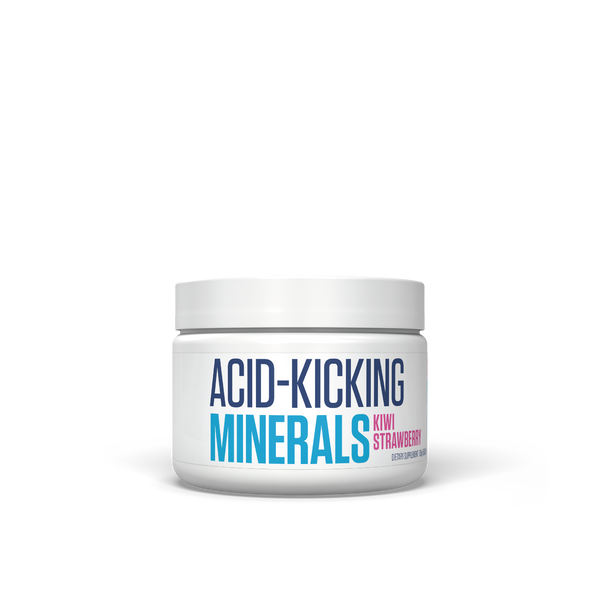
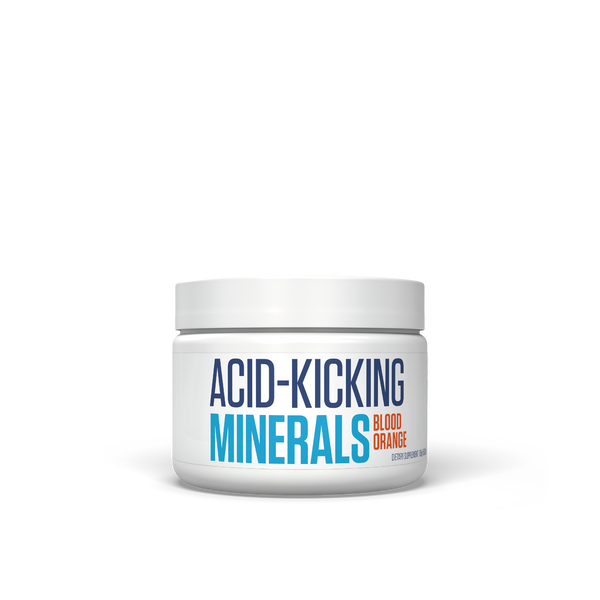
Focus on variety, too. A balanced diet filled with vegetables, fruits, healthy fats, and moderate amounts of protein helps your digestive system by providing a wide range of nutrients. Incorporate foods that are rich in minerals, and add a scoop of Acid-Kicking Minerals to your juice or water to boost your mineral levels and calm acid reflux and heartburn within seconds.
Manage Your Stress
Stomach acid is part of a much larger puzzle when it comes to digestive health. One contributing factor to reflux that we don’t often think about is stress. Stress can impact digestion and trigger reflux because your brain and your gut are in constant communication through the gut-brain connection.
You might have noticed that your stomach feels off when you’re stressed and overwhelmed. Your nervous system helps regulate digestion, and stress can influence how efficiently that happens. Stress slows digestion, keeping food in the stomach longer, and it also triggers the release of stress hormones that affect how your digestive system functions.
Because stress can influence digestion, work some calming habits into your day and see if your symptoms improve. Take walks, practice deep breathing, get outside, and make meditation part of your daily routine. None of these activities take much time, and they’re completely free. Choose something that feels realistic for your routine and that you know you can consistently do. You’re far more likely to feel the benefits of a small habit you can maintain than an elaborate overhaul that isn’t sustainable for you long-term.
Keep in mind that mineral deficiencies, particularly magnesium deficiency, can significantly increase stress and anxiety. If you suspect you’re not getting enough magnesium through your diet, try taking a magnesium supplement. Our Acid-Kicking Magnesium is a great place to start, with three highly absorbable forms of magnesium to reduce stress and calm the nervous system.
Slow Down and Give Digestion Time to Do Its Job
When it comes to reflux, how you eat can matter as much as what you eat. Stomach acid works hard to break down your meals, but digestion starts in your mouth. Slowing down and chewing your food thoroughly leaves less for your stomach acid to do, because your teeth and saliva have already put in the work breaking down each bite.
If you notice reflux happening specifically at night, take a look at your meal timing as well. Eating late at night can cause reflux because lying down removes the support of gravity keeping stomach contents down where they belong. Finish your last meal at least three hours before lying down, and stay upright after eating whenever possible.
Understanding Your Reflux Starts With Understanding Your Health
It’s easy to blame stomach acid when you feel heartburn creeping up. But remember, your stomach acid is doing its job; it’s just ending up in the wrong place. That doesn’t necessarily mean you have “too much.” It means something may be going on in your digestive system that needs attention, whether it’s related to your diet, lifestyle, habits, or a physical condition.
Understanding your body and finding out what’s causing your symptoms helps you make more informed decisions. Habits, both good and bad, have compounding effects; one leads to another. So start with one healthy eating habit like slowing down at mealtime or finishing dinner earlier in the evening. Keep track of how you respond to different foods in a journal or with a food tracking app, and work meditation, deep breathing, and other stress-relieving practices into your day. Notice how you feel with each change, and you might be surprised by how other areas of your health start to improve, too.
Your stomach acid isn’t the enemy. It’s doing important work for you, so help support it with one healthy habit at a time.


Vanilla
Hazelnut
Mocha
Salted Caramel
Black
Vanilla
Hazelnut
Mocha
Salted Caramel
Black
Vanilla
Hazelnut
Mocha
Salted Caramel
Black
Vanilla
Hazelnut
Mocha
Salted Caramel
Black
Vanilla
Hazelnut
Mocha
Salted Caramel
Black

Lemon
Kiwi Strawberry
Blood Orange
Lemon
Kiwi Strawberry
Blood Orange
Lemon
Kiwi Strawberry
Blood Orange


