


It’s summer body time, and all the Instagram girlies (and maybe even your doctor) are raving about GLP-1s: Ozempic®. Wegovy®. Mounjaro®.
GLP-1 medications have exploded into a trillion-dollar industry almost overnight. They promise effortless weight loss, fewer cravings, and a “fix” for stubborn pounds…all without doing the real work.
And they keep you dependent, which means lifelong customers for Big Pharma.

But here’s the truth: no one is brave enough to say out loud and in print: They don’t fix your metabolism. They suppress your gut and disconnect you from your body.
And that has consequences far beyond the scale for your mental and physical health.
But before we get into it, I want to first clearly say, since I am a realistic man: I am FINE with your taking GLP-1s for 2-4 weeks only to jump start your weight loss journey. But you must pair them with healthy eating, strategic gut-focused supplements such as Gut Punch and The Kickstart Your Weightloss Bundle, and mental health support, including exercise and quality sleep.
Because what most people get wrong: They think that taking GLP-1s for the long-term will make them “healthy and fit.” But that couldn’t be further from the truth. You still have to do the work: minimize processed and sugary foods, move your body daily, prioritize your mental health, get quality sleep, etc.
And when you are taking GLP-1s, you need to focus even more on all the above so you don’t fall into the anxiety, irritation, and depression trap of the “Ozempic Personality.”
How GLP-1 Drugs Really Work
Let’s strip away the marketing.
GLP-1 medications mimic a hormone that controls blood sugar and appetite, but they do it in a very aggressive way:
- They slow digestion
- They delay gastric emptying
- They keep food sitting in your stomach longer
- They signal your brain: “You’re full. Stop eating.”
They put your gut into slow motion, almost a standstill. Yes, you eat less. Yes, you lose weight.
But it’s not because your body is thriving. It’s because your digestive system is being artificially suppressed.
The Gut Damage No One Warns You About
Here’s what I see over and over again, especially with long-term use:
-
Stagnant Digestion → Bloating + Acid Reflux
When food lingers too long, it ferments. Gas builds. Pressure rises. Acid gets pushed up instead of down. -
Microbiome Disruption → Leaky Gut
A healthy gut needs rhythm and movement. When that slows, bad bacteria overgrow, the gut lining weakens, and inflammation skyrockets. -
Detox Pathways Slow → Toxin Storage
Your gut is one of your main elimination channels. When it’s sluggish, toxins don’t leave efficiently, so your body stores them in fat.
These are just three reasons why LONG-TERM GLP-1 use can cause irreparable harm to your gut. And since your gut is the home of your immune system and mood controller, you want to treat it with impeccable care.
Now Let’s Talk About the Scary Mental Health Piece
This is the part no one is talking about, and it's what keeps me up at night.
Your gut and your brain are directly connected.
It’s called the gut-brain axis, and it controls:
- Mood
- Anxiety levels
- Cravings
- Motivation
- Emotional resilience
When you slow down and disrupt your gut, you don’t just affect digestion: you affect your mind.
Here’s what I’ve seen:
Blunted hunger cues = blunted emotional awareness
You’re not just less hungry, you’re less connected to your body’s signals.
Reduced dopamine response from food
Food is not just fuel; it’s also part of how your brain experiences pleasure and satisfaction. When appetite is artificially suppressed, that reward system gets altered.
Shared meals have also been a source of relaxation and connection to friends and family since the beginning of time. Skipping out on these moments throughout your day can lead to isolation and unhappiness.
Increased anxiety + low mood
A disrupted gut microbiome can lower serotonin production (the happiness hormone produced mostly in your gut), impacting mood stability.
Disconnection from intuitive eating
Instead of learning what your body needs, you override it with a drug. That disconnect can linger even after you stop.
Therefore, numbers on your scale may be dropping, but so is your mental health. This is something to be hyper aware of when taking GLP-1s, especially if you are on an anxiety or depression medication.
Is There EVER a Time to Use Them?
Yes, and I’ll be fair here.
As I briefly mentioned above, if you’re significantly overweight, metabolically stuck, and need a short-term jumpstart (2–4 weeks) to break the cycle, I don’t have a problem with that.
But only if:
✔ You’re actively improving your diet
✔ You’re supporting your gut
✔ You’re prioritizing exercise and sleep
✔ You’re building sustainable habits
Because beyond that: You’re not healing, you’re suppressing. And long-term suppression leads to long-term dysfunction.
The Better Way: Heal the Gut, Free the Body For Optimal Health
If you want weight loss that actually lasts, you have to optimize your internal environment so it can function effectively.
- Daily movement and sweat to rev up your metatbolism, increase your endorphins for mindset and mood, and sweat out toxins so they don’t retain fat.
- Optimizing your nutrients and minerals in your body so it can function as it was designed to. The Kickstart Your Weightloss Bundle is the ideal place to start.
- Heal and seal your gut with Gut Punch so your body doesn’t feel like it has to hold on to weight and can easily flush it out.
- Sleep regulates your metabolism. A deep sleep will help you sustainably lose and manage your weight. Click here for my top sleep hacks.
- Food either heals or kills. Try some of our amazing and easy recipes here.

GLP-1 drugs might help you lose weight temporarily.
But they can also:
- Disrupt your gut
- Alter your mood
- Disconnect you from your body
- Set you up for rebound weight gain
And that’s a trade-off most people don’t fully understand.
It’s the difference between a shortcut…and a real, long-term solution.
Do the work, and be a role model for your kids.
You are worth it, and so are they!

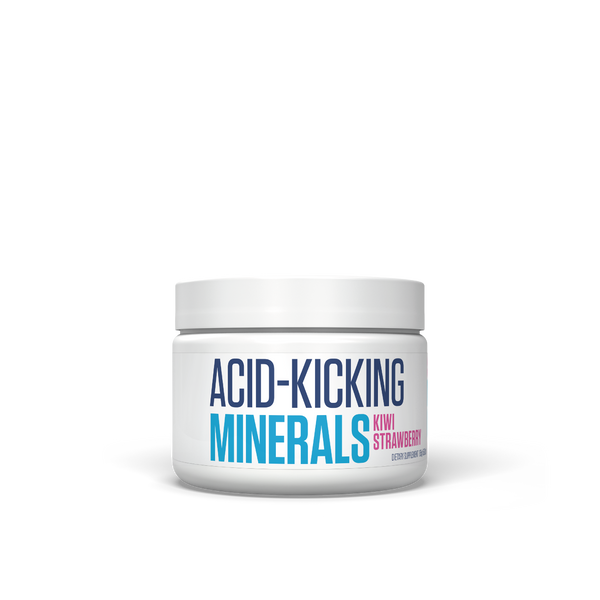
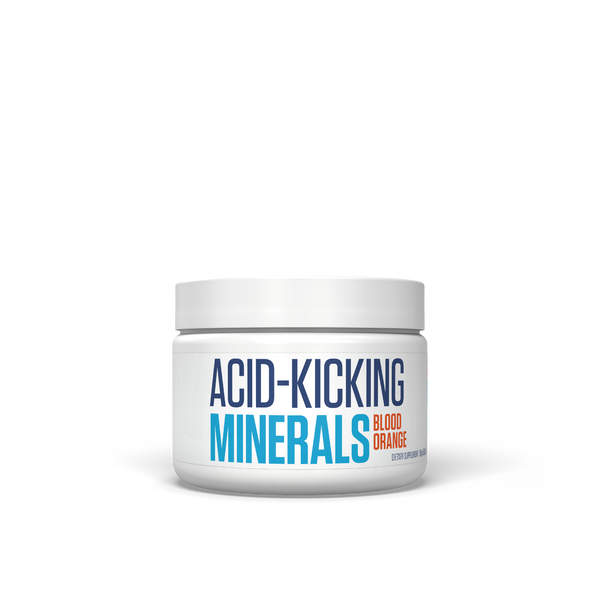
Lemon
Kiwi Strawberry
Blood Orange


